Whole House Generator Cost Calculator (2026)
By Dan Whitlock, Home Projects Editor · Updated July 2026
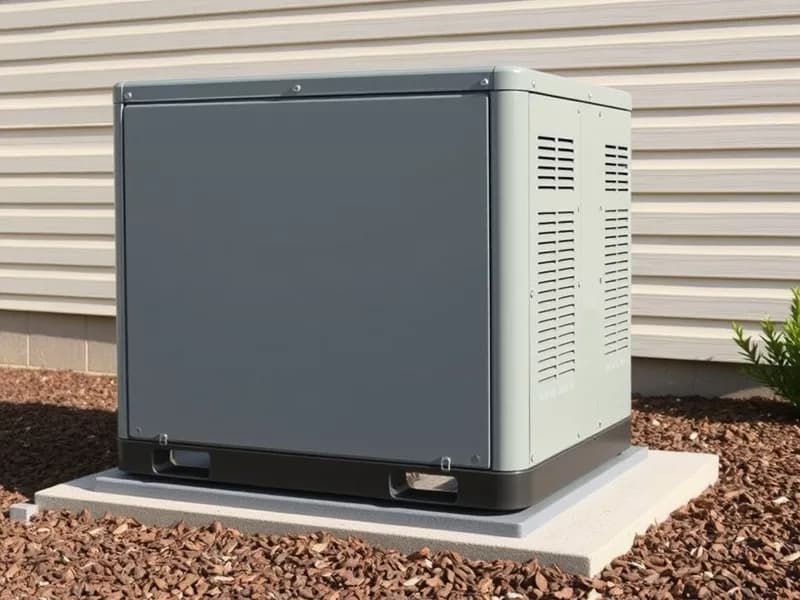
The power goes out during a storm and the sump pump is the first thing you think of, followed by the refrigerator, followed by heat. A permanently installed standby generator starts automatically within seconds of a utility outage and runs the house as long as the fuel holds. In 2026, a complete standby installation (generator, automatic transfer switch, concrete pad, and gas or propane hookup) runs $5,000 to $20,000 for most homes. But there is a second path worth knowing: a quality portable inverter generator plus a professionally installed interlock kit covers most families' real outage needs for $1,500 to $3,500. Build your estimate below, then read the honest budget comparison.
Estimate your cost
Unit cost plus standard installation labor. Larger units power more of the house simultaneously.
Natural gas uses the existing gas line; propane requires a tank that must be sized and filled.
An automatic transfer switch (ATS) detects an outage and connects the generator in seconds. A manual interlock kit is used for portable generators instead.
Standby generators require a level concrete pad for stability and manufacturer warranty compliance.
Labor and materials swing with local cost of living.
Estimated whole house generator cost
$5,800 – $15,500
Most homeowners pay around $9,800
Cost breakdown
- 10–14 kW: essentials (HVAC, fridge, sump pump, lights)$6,500
- Natural gas: existing line, extend to generator location$800
- Automatic transfer switch + panel work$2,500
Planning estimate based on 2026 national price data, not a quote. Get local quotes to confirm.
What drives your whole house generator cost
- Generator size: a 10–14 kW unit covers essentials for most homes at $4,000–$9,500 installed; an 18–24 kW whole-home unit runs $6,500–$14,000; a 26 kW+ unit for a large home with full load can reach $22,000.
- Brand: Generac is the dominant residential standby brand, with 10–22 kW models ranging roughly $2,000–$6,000 for the unit alone before installation. Verify current dealer pricing as it varies by region and model year.
- Transfer switch: an automatic transfer switch (ATS) is required for standby generators; installation runs $1,500–$4,000 including the switch hardware and electrical panel work.
- Fuel type: natural gas is cheaper to run (roughly $3–$4 per hour at full load) and requires no tank; propane is more expensive per hour ($8–$10) but works where gas lines are unavailable. The propane tank itself adds $800–$3,500 to the project.
- Concrete pad: most manufacturers require a level concrete pad; professional installation runs $500–$1,800 depending on size and access.
- Installation labor share: labor (gas, electrical, and pad) typically represents 40–60% of the total installed cost on a mid-size standby project.
- Annual maintenance: standby generators require professional service every 12–24 months or every 200 hours; budget $150–$300 per service visit.
Ready for real numbers?
A calculator gets you the fair range. Local quotes confirm it for your exact home. Comparing 2–3 written quotes from licensed local pros is the single best way to avoid overpaying: ask each for the same scope in writing so the numbers are comparable.
Ways to save
- The honest budget fork: a dual-fuel portable inverter generator ($800–$2,000) plus a professionally installed interlock kit ($300–$800 for the kit and electrician) covers most families' real outage needs (the sump pump, refrigerator, a few lights, and a window AC) for $1,500–$3,500 total versus $10,000–$20,000 for a full standby system.
- Size to load, not "whole house": an essentials-load calculation that covers HVAC, sump pump, refrigerator, and critical circuits costs significantly less than a whole-home unit and handles the outages most homeowners actually experience.
- Natural gas costs roughly half of propane to run and eliminates the need to monitor tank levels; choose gas if a line exists within a reasonable run of the installation site.
- Get two or three quotes and compare the complete scope: unit, transfer switch, gas/propane work, permit, and pad. Quotes that omit line items are often lower but not cheaper.
- Schedule installation in spring or fall: generator installers are busiest after major storms and in late summer; off-peak scheduling sometimes yields better pricing.
Hire it out, or do it yourself?
DIY-able for some: know your limitsA permanently installed standby generator is not a DIY project. The installation involves natural gas or propane plumbing (licensed gas fitter required in most states), electrical panel work and transfer switch installation (licensed electrician required), and permit and inspection in nearly every jurisdiction. The consequences of a bad gas connection or backfed utility line are serious enough that this is a firm pro-only job. Budget $5,000 to $20,000+ and get licensed contractors for both trades.
The portable generator path is different. A dual-fuel portable inverter generator is a straightforward purchase: plug in appliances or run extension cords during an outage. The smart upgrade is having a licensed electrician install an interlock kit: a mechanical device on your electrical panel that prevents the generator and utility from connecting simultaneously, eliminating backfeed risk. Interlock kits cost $150–$400 in parts; electrician labor to install runs $200–$500. The total portable + interlock solution lands at $1,500–$3,500 and handles most real outages for most families.
Who the standby system is right for: homes with medical equipment that cannot fail, homeowners in high-outage areas with frequent multi-day outages, and people who genuinely need whole-house power rather than essential circuits. For everyone else, the honest answer is that a $1,500 portable setup covers what most homeowners actually need, and the $8,000–$15,000 difference is real money.
Helpful products
Taking the DIY route, or doing part of the job yourself? These are the product categories most people buy for this project. As an Amazon Associate we may earn from qualifying purchases, and it never changes your price.
Get quotes from local pros
Angi is a national marketplace for home services. You describe the job, and electrical contractors who work in your area contact you with their own quotes. Requesting quotes is free and you are never obliged to hire anyone.
Angi pays us a referral fee for a completed service request. The fee comes from Angi, not from you, and it does not change the estimates on this page.
Frequently asked questions
How much does a whole house generator cost in 2026?
A permanently installed standby generator runs $5,000 to $20,000 installed for most homes, including the unit, automatic transfer switch, gas or propane hookup, concrete pad, and labor. A 10–14 kW essentials-load system installed with natural gas typically lands $5,000–$9,500; a 18–24 kW whole-home system runs $7,000–$14,000. Larger 26 kW+ units can reach $20,000 or more.
How much does a Generac whole house generator cost?
Generac is the dominant residential standby brand. Unit-only pricing for Generac 10–22 kW models typically runs $2,000–$6,000 depending on the model and region. Add $3,000–$8,000+ for the automatic transfer switch, gas hookup, concrete pad, and labor, and most Generac standby installations total $5,000–$14,000. Verify current pricing with a local Generac dealer; dealer pricing varies.
How much of the total generator cost is installation labor?
On a typical mid-size standby generator, installation labor (gas connection, electrical panel and transfer switch, concrete pad) represents roughly 40–60% of the total installed cost. For a $10,000 project, expect $4,000–$6,000 in labor and permits and $3,000–$5,500 for the generator unit.
Is it cheaper to run a generator on natural gas or propane?
Natural gas is significantly cheaper to run. A 20 kW standby generator at full load consumes roughly $3–$4 per hour on natural gas versus $8–$10 per hour on propane (based on typical 2026 energy prices). Propane is the only option where natural gas is not available. Propane also requires monitoring tank levels and scheduling refills before storm season.
What is the difference between a standby generator and a portable generator?
A standby generator is permanently installed, wired to your electrical panel with an automatic transfer switch, and starts by itself within seconds of a power outage. It runs on natural gas or propane and requires no human intervention. A portable generator is wheeled out when needed, requires manual operation and extension cords or a transfer switch connection, and runs on gasoline or dual-fuel. The full installed standby solution costs $5,000–$20,000; a quality portable inverter generator plus a professionally installed interlock kit runs $1,500–$3,500.
Can I install a whole house generator myself?
No, for a standby generator. The gas plumbing requires a licensed gas fitter and the electrical work (including automatic transfer switch installation) requires a licensed electrician in virtually every jurisdiction. Permits and inspection are required. For a portable generator, DIY is fine; an electrician should install the interlock kit that prevents backfeed, which runs about $200–$500 in labor.
Add this calculator to your site, free
Run a blog, forum, or local-services site? Drop this whole house generator calculator in for your readers. Copy the code: it includes a small credit link back to us.
<iframe class="costcalc-embed" src="https://homeupgradecost.com/embed/whole-house-generator-cost" title="Whole House Generator Cost Calculator" width="100%" height="760" loading="lazy" style="width:100%;max-width:680px;border:1px solid #e2e8f0;border-radius:12px"></iframe>
<p style="font:13px/1.5 system-ui,sans-serif;margin:8px 0 0">
  <a href="https://homeupgradecost.com/whole-house-generator-cost" target="_blank" rel="noopener">Whole House Generator Cost Calculator</a> by <a href="https://homeupgradecost.com" target="_blank" rel="noopener">HomeUpgradeCost</a>
</p>
<script>window.addEventListener("message",function(e){if(!e.data||e.data.type!=="costcalc-height")return;var f=document.querySelectorAll("iframe.costcalc-embed");for(var i=0;i<f.length;i++){if(f[i].contentWindow===e.source){f[i].style.height=e.data.height+"px";}}});</script>Sources
Price ranges cross-referenced against these 2026 cost guides and contractor databases:
The first thing a whole house generator usually saves in a storm is the sump pump. Make sure you know what sump pump replacement costs before the backup power conversation; they are often long overdue at the same time.
Sump Pump Replacement cost from $400 →