Attic Insulation Cost Calculator (2026)
By Dan Whitlock, Home Projects Editor · Updated July 2026
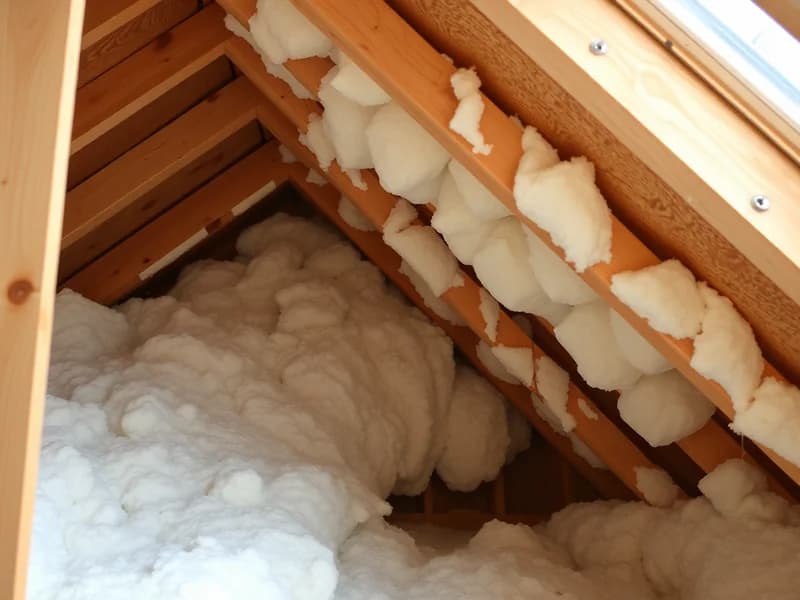
Your heating and cooling bill climbs every year, and the attic is usually the reason: most older homes are under-insulated by current standards. In 2026, professional attic insulation runs roughly $1 to $7 per square foot installed, so a typical 1,000-square-foot attic lands between $1,500 and $5,000 depending on the material and starting condition. Blown-in cellulose and fiberglass are the common middle ground; spray foam is the premium option for air-sealing performance; fiberglass batts are the DIY-friendly path. Build your estimate below.
Estimate your cost
Square footage of the area to insulate. A typical ranch is 1,000–1,500 sq ft; a two-story home's attic may be smaller than the footprint.
Loose-fill and batt options. Spray foam is a different product at $2.75–$7 per sq ft; see the FAQ below.
Removing existing damaged or contaminated insulation before adding new material.
Sealing gaps, penetrations, and bypasses before insulating. Significantly improves performance for older homes.
Labor and materials swing with local cost of living.
Estimated attic insulation cost
$1,500 – $5,500
Most homeowners pay around $2,750
Cost breakdown
- 1000 × ~$2.75$2,750
Planning estimate based on 2026 national price data, not a quote. Get local quotes to confirm.
What drives your attic insulation cost
- Attic size: insulation, labor, and removal all scale with square footage, the largest cost driver.
- Material type: fiberglass batts and blown-in fiberglass run $1.50–$4 per sq ft installed; blown-in cellulose is similar; open-cell spray foam runs $2.75–$5 per sq ft and closed-cell $4–$7.
- Old insulation removal: tearing out and disposing of existing insulation (damaged, moldy, or pest-infested) adds roughly $1–$2 per sq ft on top of new installation.
- Air sealing: sealing attic bypasses (gaps around wiring, plumbing, and framing) before insulating adds $250–$750 but can be as impactful as the insulation itself.
- R-value target: adding material to reach code minimum (R-38 or R-49 depending on climate zone) costs more than topping up a partially insulated attic.
- Access difficulty: a tight, cluttered attic with poor access adds labor time and cost.
- Existing damage: mold remediation or pest clean-out before insulating is a separate expense.
Ready for real numbers?
A calculator gets you the fair range. Local quotes confirm it for your exact home. Comparing 2–3 written quotes from licensed local pros is the single best way to avoid overpaying: ask each for the same scope in writing so the numbers are comparable.
Ways to save
- Big-box stores (Home Depot and Lowe's) loan a blower machine free with the purchase of 10–20 bags of cellulose, and a typical attic needs 25–40 bags, so the rental comes with the purchase naturally.
- Fiberglass batts in open joist bays are a genuine DIY project; no special equipment or licensing is required, and a respirator plus careful coverage of joists gets you most of the benefit.
- Top up, not tear out: if existing insulation is clean and intact, blown-in material over the top is dramatically cheaper than full removal.
- Do your own air sealing first: a few cans of spray foam and weatherstripping tape on visible bypasses cost under $50 and improve thermal performance before any insulation is added.
- Bundle attic insulation with other weatherization work (windows, crawlspace) to share a contractor trip and minimize mobilization fees.
- Get two or three quotes; installation labor on the same square footage and material can vary by hundreds of dollars.
Hire it out, or do it yourself?
DIY-able for some: know your limitsFiberglass batts in open, accessible joist bays are one of the most genuine DIY jobs in home improvement: you unpack, cut to length, and lay them in. Wear a respirator with P100 filters, safety glasses, and long sleeves; the fibers irritate skin and lungs. A full weekend and about $600–$1,200 in materials covers a typical 1,000-square-foot attic to R-38. A radiant barrier foil stapled to rafters is similarly manageable if your goal is blocking summer heat gain.
Blown-in insulation is also DIY-able when your attic is accessible. Home Depot loans the blower free with 10+ bags of cellulose; Lowe's requires 20+ bags of Greenfiber. A helper is useful: one person loads the hopper, one holds the hose. Expect to spend 4–6 hours. The challenge is getting even coverage and achieving the right settled depth for your R-value target; bags include a coverage chart that tells you exactly how many you need.
Spray foam is pro-only. The two-part chemistry is sensitive to temperature and mixing ratio, and an improperly applied batch can fail structurally or create off-gassing problems. Closed-cell foam is also a vapor retarder; placement errors can trap moisture. The contractor applies it, and the performance is real, but this is one to leave to a licensed insulation company.
Helpful products
Taking the DIY route, or doing part of the job yourself? These are the product categories most people buy for this project. As an Amazon Associate we may earn from qualifying purchases, and it never changes your price.
Get quotes from local pros
Angi is a national marketplace for home services. You describe the job, and handyman contractors who work in your area contact you with their own quotes. Requesting quotes is free and you are never obliged to hire anyone.
Angi pays us a referral fee for a completed service request. The fee comes from Angi, not from you, and it does not change the estimates on this page.
Frequently asked questions
How much does attic insulation cost in 2026?
Most homeowners pay $1,500 to $5,000 to insulate a 1,000-square-foot attic. Per-square-foot installed cost runs roughly $1.50 to $5.50 for blown-in fiberglass or cellulose, $1.25 to $4 for fiberglass batts, and $2.75 to $7 for spray foam. The full range for a typical project, including any removal, is $1 to $7 per sq ft.
How much does blown-in insulation cost?
Blown-in fiberglass or cellulose runs about $1.50 to $4 per square foot installed, or roughly $1,500 to $5,500 for a standard 1,000 sq ft attic. Material alone is $0.50 to $1.80 per sq ft; the rest is labor. Cellulose and fiberglass blown-in perform similarly at similar prices: cellulose has slightly higher recycled content, fiberglass settles less over time.
How much does spray foam insulation cost in the attic?
Open-cell spray foam runs $2.75 to $5 per square foot installed; closed-cell runs $4 to $7. For a 1,000-square-foot attic, that puts the total between $2,750 and $7,000. Spray foam delivers the best air sealing of any insulation type, but it requires licensed installation and is not DIY-appropriate.
How much does it cost to remove old attic insulation?
Removing old insulation typically adds $1 to $2 per square foot on top of new installation. For a 1,000-square-foot attic, expect $800 to $2,200 for removal and disposal. Removal is necessary when old insulation is water-damaged, moldy, or pest-infested; otherwise, blown-in can go right over the top.
What R-value does my attic need?
The Department of Energy and ENERGY STAR recommend R-30 for Climate Zone 1 (hot-humid South), R-38 for Zones 2–3, and R-49 for Zones 4–8 (most of the northern US). ENERGY STAR recommends R-60 for new construction in Zones 4–8. Most older homes fall short of these targets. Check your zone at energystar.gov: if your current insulation depth is less than 11 inches of fiberglass or about 8 inches of cellulose, you are under-insulated by current standards.
Can I install attic insulation myself?
Yes, for batts and blown-in. Fiberglass batts in accessible joist bays are a standard DIY weekend project: wear a respirator with P100 filters, safety glasses, and long sleeves. For blown-in, Home Depot loans blowers free with 10+ bags of cellulose; Lowe's with 20+ bags of Greenfiber. Spray foam is pro-only. Do not skip air sealing before you insulate: gaps around wiring and plumbing bypass insulation entirely.
Add this calculator to your site, free
Run a blog, forum, or local-services site? Drop this attic insulation calculator in for your readers. Copy the code: it includes a small credit link back to us.
<iframe class="costcalc-embed" src="https://homeupgradecost.com/embed/attic-insulation-cost" title="Attic Insulation Cost Calculator" width="100%" height="760" loading="lazy" style="width:100%;max-width:680px;border:1px solid #e2e8f0;border-radius:12px"></iframe>
<p style="font:13px/1.5 system-ui,sans-serif;margin:8px 0 0">
  <a href="https://homeupgradecost.com/attic-insulation-cost" target="_blank" rel="noopener">Attic Insulation Cost Calculator</a> by <a href="https://homeupgradecost.com" target="_blank" rel="noopener">HomeUpgradeCost</a>
</p>
<script>window.addEventListener("message",function(e){if(!e.data||e.data.type!=="costcalc-height")return;var f=document.querySelectorAll("iframe.costcalc-embed");for(var i=0;i<f.length;i++){if(f[i].contentWindow===e.source){f[i].style.height=e.data.height+"px";}}});</script>Sources
Price ranges cross-referenced against these 2026 cost guides and contractor databases:
A tight, well-insulated attic means your heating and cooling equipment is working against a smaller load. Before accepting a quote for a larger heat pump or furnace, price the insulation that would let you buy a smaller, cheaper system.
Heat Pump Installation cost from $4,500 →