Whole House Fan Cost (2026): Installed Price Calculator
By Dan Whitlock, Home Projects Editor · Updated July 2026
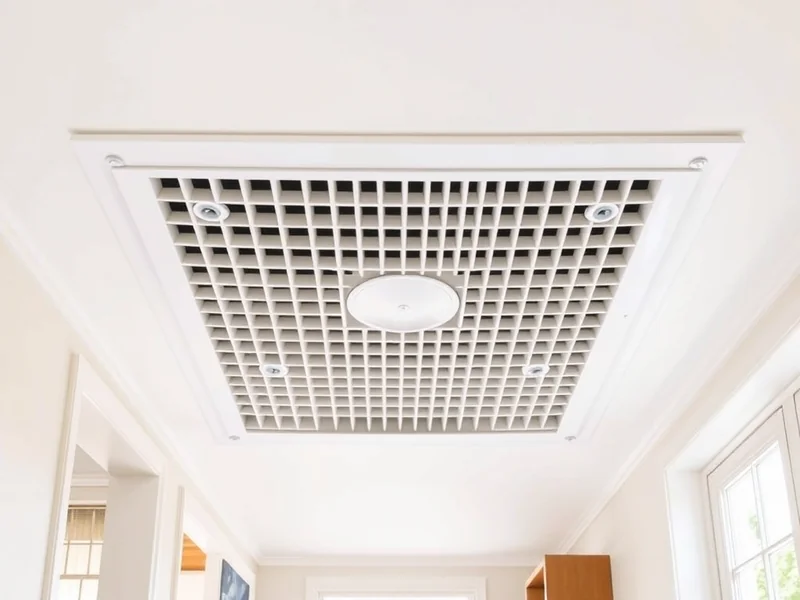
It is midnight after a hot day and the house is still holding heat. A whole house fan pulls cool outdoor air in through open windows, flushes the stored heat out through the attic vents, and drops interior temperature by 5 to 10 degrees in minutes, for a fraction of what an air conditioner costs to run. In 2026, professional installation runs $900 to $2,600 for most homes. The fan unit and its type account for most of that range; electrical work and attic venting fill the rest. Build your estimate below.
Estimate your cost
Includes the unit and standard installation labor. Ducted quiet systems and large-capacity models carry a higher unit cost.
A wall switch controls the fan. If an existing circuit can be tapped nearby, cost is low. A new dedicated circuit and switch adds more.
A whole house fan pushes air into the attic, and the attic needs enough vent area to exhaust it. Inadequate venting reduces performance and can damage roofing.
Labor and materials swing with local cost of living.
Estimated whole house fan cost
$900 – $2,000
Most homeowners pay around $1,400
Cost breakdown
- Standard ceiling-mount: direct-drive, effective, louder$1,400
Planning estimate based on 2026 national price data, not a quote. Get local quotes to confirm.
What drives your whole house fan cost
- Fan type: a standard direct-drive unit runs $900–$2,000 installed; ducted quiet systems run $1,300–$2,400; large-capacity fans for bigger homes cost $1,100–$2,600.
- CFM rating: a fan must move roughly 2–3 cubic feet per minute per square foot of home; too small and it does not flush heat fast enough.
- Electrical: if an existing circuit is nearby the switch drops in cheaply; a new dedicated circuit and wiring run adds $200–$800.
- Attic venting: the fan pushes hot air into the attic, which needs at least 1 sq ft of net free vent area per 750 CFM of fan capacity. Adding gable or ridge vents runs $300–$650.
- Home size: larger homes need more CFM and typically a higher-capacity unit.
- Climate fit: whole house fans work best in climates with cool nights even in summer; they are less effective in consistently humid Gulf Coast climates where outdoor air at midnight is still 78°F and 80% humidity.
Ready for real numbers?
A calculator gets you the fair range. Local quotes confirm it for your exact home. Comparing 2–3 written quotes from licensed local pros is the single best way to avoid overpaying: ask each for the same scope in writing so the numbers are comparable.
Ways to save
- A standard direct-drive ceiling-mount unit does the same job as a ducted quiet system for 30–40% less; the noise difference matters mainly in bedrooms directly below the fan.
- Size the fan correctly for your square footage rather than overbidding; a properly sized standard fan outperforms an undersized quiet system.
- If your attic already has adequate venting, you skip the largest add-on cost entirely, so check before scheduling.
- A handy DIYer can handle the mounting carpentry; hire only an electrician for the switch circuit if a new run is needed.
- Run the fan in the morning and evening when outdoor air is coolest; even a modest unit pays back fast when it displaces air conditioner hours.
Hire it out, or do it yourself?
DIY-able for some: know your limitsMounting a whole house fan is carpentry, not HVAC: you are cutting a hole in the attic floor, framing a box, and setting the unit. A homeowner comfortable with a circular saw and basic framing can do this in a day. The manufacturers provide templates and instructions. Physical access is the real variable: a cramped attic with blown-in insulation makes the job harder than a clean open space.
The electrical side is where a pro earns their fee. If you can tap an existing circuit and simply add a wall switch, a licensed electrician might spend an hour. If the panel is far away, conduit is required, or the circuit is new, you are looking at a real wiring job: $200–$800 depending on complexity. Permitting for electrical work is standard in most jurisdictions; skipping it can cause problems at sale.
The cleanest approach for most homeowners: do the carpentry yourself, hire an electrician for the switch circuit, and call a roofer or handyperson if you need to add gable vents. That splits the skilled and unskilled labor efficiently and keeps total cost toward the low end of the installed range.
Helpful products
Taking the DIY route, or doing part of the job yourself? These are the product categories most people buy for this project. As an Amazon Associate we may earn from qualifying purchases, and it never changes your price.
Get quotes from local pros
Angi is a national marketplace for home services. You describe the job, and HVAC contractors who work in your area contact you with their own quotes. Requesting quotes is free and you are never obliged to hire anyone.
Angi pays us a referral fee for a completed service request. The fee comes from Angi, not from you, and it does not change the estimates on this page.
Frequently asked questions
How much does a whole house fan cost installed in 2026?
Most homeowners pay $900 to $2,600 for a professionally installed whole house fan, with an average near $1,700. A standard ceiling-mount unit runs $900–$2,000 installed; ducted quiet systems run $1,300–$2,400. Electrical and attic venting add-ons are on top of those figures.
Is a whole house fan worth it?
In the right climate, yes. A whole house fan moves heat out of a home in minutes on cool evenings and nights, displacing hours of air conditioner use. Running cost is roughly $0.03–$0.10 per hour versus $0.40–$1.00 for central AC. In climates with cool nights even in peak summer, the payback period is typically 2–5 years. In humid climates where nighttime temps stay above 75°F, the benefit is smaller.
What size whole house fan do I need?
A general rule is 2–3 CFM per square foot of living space. A 1,500 sq ft home needs roughly a 3,000–4,500 CFM fan; a 2,500 sq ft home needs 5,000–7,500 CFM. Your attic also needs enough vent area to exhaust the airflow: roughly 1 sq ft of net free vent area per 750 CFM.
What is the difference between a standard and a ducted quiet whole house fan?
A standard direct-drive fan mounts directly in the ceiling opening. It moves a lot of air effectively, but the motor and air movement create noise audible in the room below. A ducted quiet system (like QuietCool) mounts in the attic and connects to the ceiling via a duct and insulated damper box, reducing noise significantly at the cost of a higher unit price and more complex installation.
Add this calculator to your site, free
Run a blog, forum, or local-services site? Drop this whole house fan calculator in for your readers. Copy the code: it includes a small credit link back to us.
<iframe class="costcalc-embed" src="https://homeupgradecost.com/embed/whole-house-fan-cost" title="Whole House Fan Cost Calculator" width="100%" height="760" loading="lazy" style="width:100%;max-width:680px;border:1px solid #e2e8f0;border-radius:12px"></iframe>
<p style="font:13px/1.5 system-ui,sans-serif;margin:8px 0 0">
  <a href="https://homeupgradecost.com/whole-house-fan-cost" target="_blank" rel="noopener">Whole House Fan Cost Calculator</a> by <a href="https://homeupgradecost.com" target="_blank" rel="noopener">HomeUpgradeCost</a>
</p>
<script>window.addEventListener("message",function(e){if(!e.data||e.data.type!=="costcalc-height")return;var f=document.querySelectorAll("iframe.costcalc-embed");for(var i=0;i<f.length;i++){if(f[i].contentWindow===e.source){f[i].style.height=e.data.height+"px";}}});</script>Sources
Price ranges cross-referenced against these 2026 cost guides and contractor databases:
A whole house fan cools the house for pennies an hour during mild weather, but once you close the windows in summer heat, the envelope is what holds the win. Attic insulation keeps the cool air in once the fan is off.
Attic Insulation cost from $1,500 →