Radon Mitigation Cost Calculator (2026)
By Dan Whitlock, Home Projects Editor · Updated July 2026
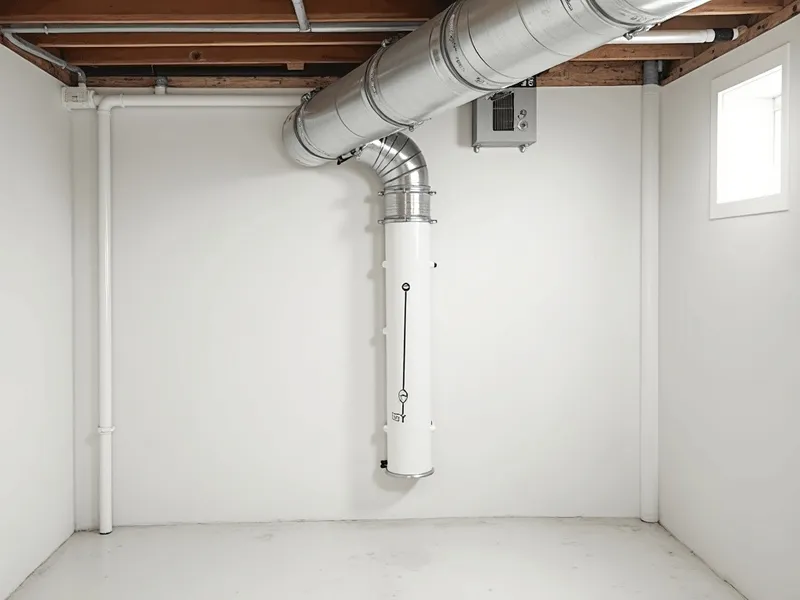
If a radon test comes back at or above the EPA’s 4 pCi/L action level, a mitigation system is the fix, and it’s usually a one-day install. In 2026, most homeowners pay $800 to $2,500 to have an active sub-slab depressurization system installed, with the national average landing near $1,000 to $1,500. Your price depends on the foundation type, the home’s size and layout, how many suction points the crew needs, and whether extras like a new fan or a sealed sump are involved. Build your estimate below, then see the cost drivers.
Estimate your cost
Includes the pipe run, fan, and basic sealing for a standard install.
Labor and materials swing with local cost of living.
Estimated radon mitigation cost
$1,000 – $2,200
Most homeowners pay around $1,450
Cost breakdown
- Sub-slab suction: slab or basement (most common)$1,450
Planning estimate based on 2026 national price data, not a quote. Get local quotes to confirm.
Free and no obligation. Our partner pays us a referral fee for a completed request. The fee comes from them, not from you, and it does not change the estimates on this page.
What drives your radon mitigation cost
- Foundation type: a poured slab or basement is the cheapest to treat; crawlspaces need a sealed membrane and cost more.
- Suction points: large, split-level, or additions-heavy homes may need 2–4 suction points, each adding a few hundred dollars.
- System routing: an interior pipe through the garage is cheaper than an exterior run designed to hide the pipe for curb appeal.
- Fan size: higher radon levels or tight soil call for a stronger fan, which costs more and uses slightly more electricity.
- Sealing extras: covering a sump pit, sealing slab cracks, or encapsulating a crawlspace adds to the base price.
Ready for real numbers?
A calculator gets you the fair range. Local quotes confirm it for your exact home. Comparing 2–3 written quotes from licensed local pros is the single best way to avoid overpaying: ask each for the same scope in writing so the numbers are comparable. The quote button sits with your estimate at the top of this page.
Ways to save
- Get a post-mitigation retest quoted into the job so you confirm the system works without a separate visit.
- Choose an interior pipe route through the garage or a closet if you don’t mind the visible pipe.
- Ask contractors to size one well-placed suction point before assuming you need several.
- Bundle sump sealing and crack repair into the mitigation quote instead of hiring separately.
- Compare two or three certified radon contractors; installed prices vary widely for the same scope.
Hire it out, or do it yourself?
Leave this one to a proThere is genuine DIY work worth doing before a certified mitigator arrives: sealing the sump pit lid with a pre-made sealed cover, caulking visible slab cracks with polyurethane caulk, and sealing around pipe penetrations through the slab can reduce radon entry and improve whatever system goes in afterward. These are real prep steps, not a substitute for a system, and a mitigator will often note them on the post-installation report.
The mitigation system itself (the fan, the suction point cored through the slab, the pressure field diagnostics, and the pipe routing to a safe exterior discharge point) requires a certified mitigator in most states for good reason. Radon fan selection depends on diagnostic pressure field extension testing that determines how many suction points the slab actually needs and what fan curve will hold sub-slab negative pressure over time. Installing the wrong fan on a single point when the slab needs two produces a system that passes the initial post-test and then drifts back up as seasons change.
Post-mitigation testing matters as much as the install. A short-term test two to four days after system activation confirms the system is working. If levels stay above 2 pCi/L after the system runs for a week, the mitigator should return to adjust or add a suction point under warranty. Build this into your contract before work begins.
Helpful products
Taking the DIY route, or doing part of the job yourself? These are the product categories most people buy for this project. As an Amazon Associate we may earn from qualifying purchases, and it never changes your price. Read our full affiliate disclosure.
Frequently asked questions
How much does radon mitigation cost in 2026?
Most homeowners pay $800 to $2,500 for a professionally installed system, with the national average around $1,000–$1,500. Small, simple homes can come in near $400; large or complex ones can reach $2,500 or more.
What affects radon mitigation cost the most?
Foundation type and the number of suction points. A single-point sub-slab system on an accessible basement is the low end; crawlspaces, big footprints, and hidden exterior routing push the price up.
How much does it cost to run a radon fan?
The fan runs continuously and typically adds about $30 to $300 per year in electricity depending on the fan size and local power rates, though most homes land near the lower end of that range.
Do I need radon mitigation if my level is below 4 pCi/L?
The EPA recommends action at 4 pCi/L and says to consider mitigation between 2 and 4. Below 2 pCi/L a system usually isn’t warranted, though these are planning guidelines, not a substitute for a certified test.
Add this calculator to your site, free
Run a blog, forum, or local-services site? Drop this radon mitigation calculator in for your readers. Copy the code: it includes a small credit link back to us.
<iframe class="costcalc-embed" src="https://homeupgradecost.com/embed/radon-mitigation-cost" title="Radon Mitigation Cost Calculator" width="100%" height="760" loading="lazy" style="width:100%;max-width:680px;border:1px solid #e2e8f0;border-radius:12px"></iframe>
<p style="font:13px/1.5 system-ui,sans-serif;margin:8px 0 0">
  <a href="https://homeupgradecost.com/radon-mitigation-cost" target="_blank" rel="noopener">Radon Mitigation Cost Calculator</a> by <a href="https://homeupgradecost.com" target="_blank" rel="noopener">HomeUpgradeCost</a>
</p>
<script>window.addEventListener("message",function(e){if(!e.data||e.data.type!=="costcalc-height")return;var f=document.querySelectorAll("iframe.costcalc-embed");for(var i=0;i<f.length;i++){if(f[i].contentWindow===e.source){f[i].style.height=e.data.height+"px";}}});</script>Sources
Price ranges cross-referenced against these 2026 cost guides and contractor databases:
The same slab openings that let radon up let water in. If the basement is damp as well as high-radon, drainage is the next number to look at.
French Drain cost from $2,500 →